CAGAYAN DE ORO CITY — The Philippine Drug Enforcement Agency in Northern Mindanao (PDEA-10) urged local government units and communities to continue their anti-illegal drug efforts after 1,600 of the region’s 2,022 barangays were declared drug-cleared.The figure represents 79 percent of all barangays in Northern Mindanao and reflects progress under the Barangay Drug Clearing Program.
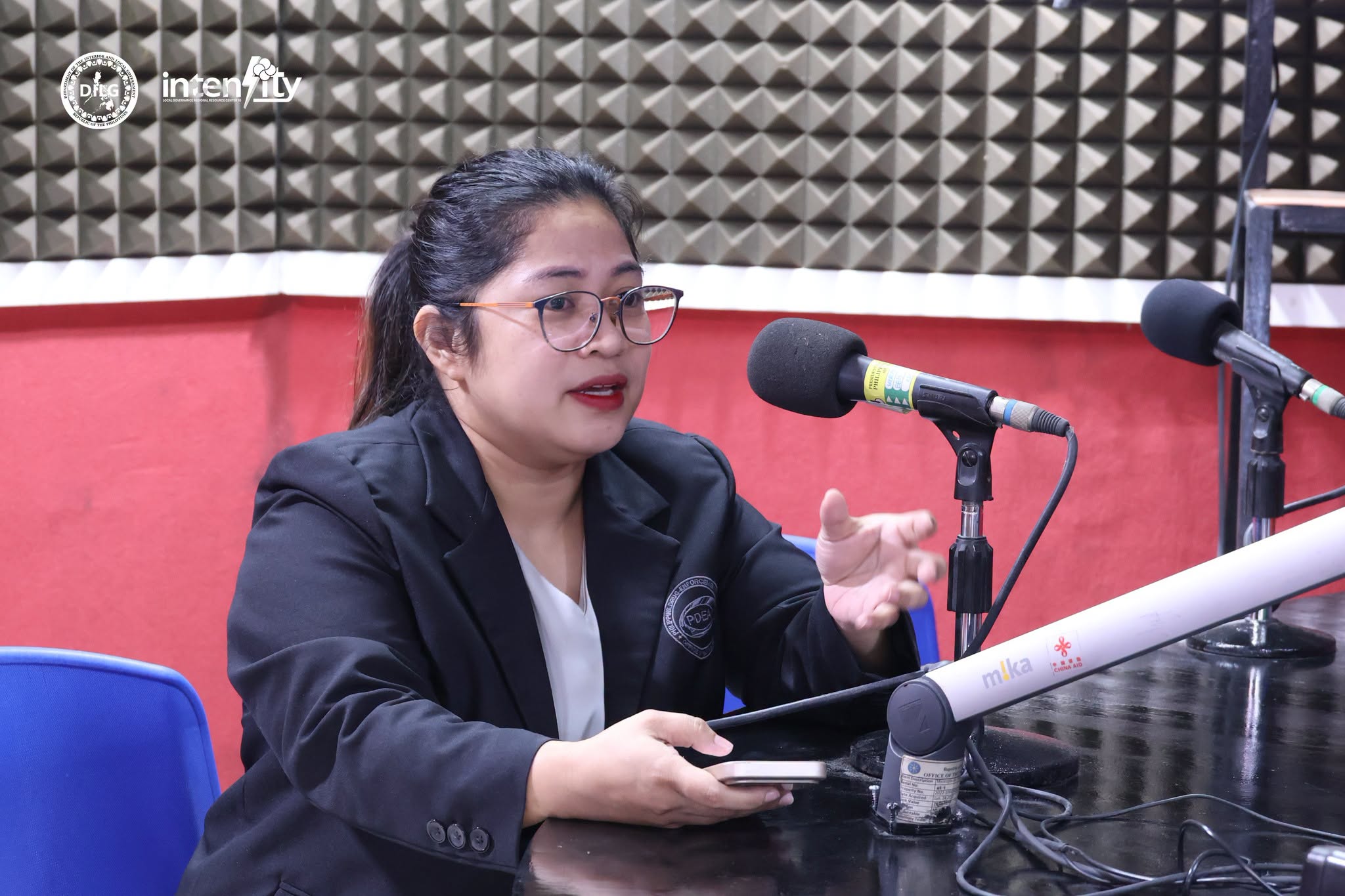
However, PDEA-10 stressed that being declared drug-cleared does not mean a barangay is permanently free from illegal drugs.Glenice Joy Jornales, chief of the agency’s Legal and Prosecution Unit, said the program requires cooperation from government agencies, communities, and local leaders.
The program includes law enforcement, prevention, treatment, rehabilitation, and reintegration efforts.Jornales urged local chief executives to provide enough resources and ensure that their Anti-Drug Abuse Councils continue to operate.
She also explained that if new drug personalities are identified in a drug-cleared barangay, authorities can conduct community-based rehabilitation, refer individuals to Balay Silangan, or carry out appropriate law enforcement operations.
Of Northern Mindanao’s 2,022 barangays, 156 or 7 percent are classified as drug-free or unaffected, while 266 or 13 percent remain drug-affected.PDEA-10 also discussed updated guidelines under Dangerous Drugs Board Regulation No. 11, Series of 2025.The revised rules include drug-clearing procedures for jails managed by the Bureau of Jail Management and Penology and the Bureau of Corrections.
These procedures are required before an entire province can be declared drug-cleared.PDEA will assist detention facilities through intelligence validation, canine searches, and drug testing.
The agency also encouraged barangay officials to submit their documents before the Regional Oversight Committee’s validation scheduled for late September.Jornales further called for the continuous implementation of anti-drug programs despite possible changes in local leadership and personnel.
She said maintaining designated focal persons and uninterrupted rehabilitation services would help ensure that community-based anti-drug programs remain active during political transitions.