CAGAYAN DE ORO CITY (PIA) — The Department of Science and Technology (DOST)-10 is urging local governments and communities in Northern Mindanao to strengthen disaster preparedness through science-based planning, continuous risk reduction, and collaboration as climate change intensifies weather-related hazards.
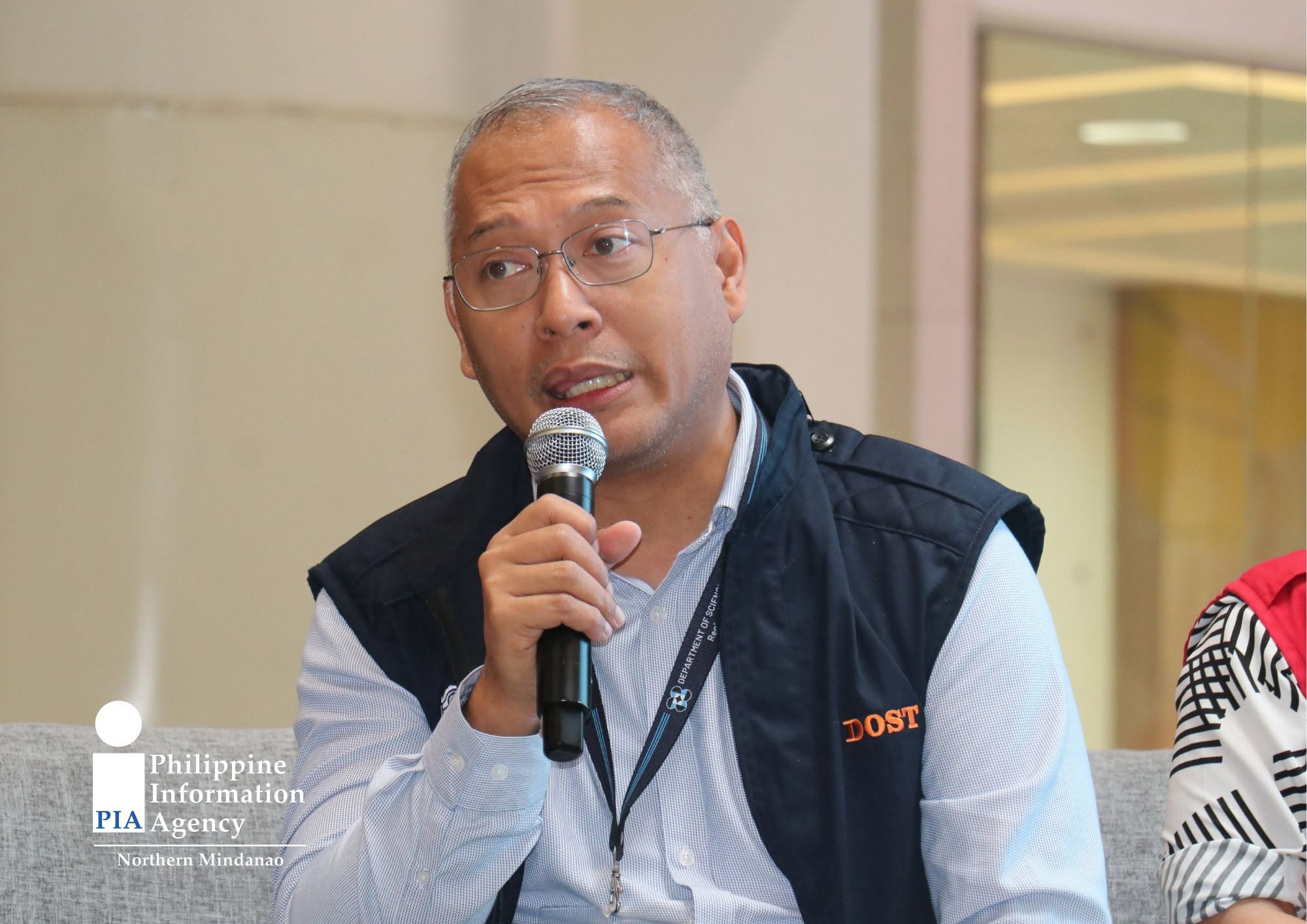
Speaking during the July 16 Kapihan sa PIA forum in observance of National Disaster Resilience Month, DOST-10 Regional Director Mark Lemuel L. Garcia said scientific information plays a vital role in local planning, particularly as climate change alters weather patterns and increases the unpredictability of natural hazards.
“Ang disaster resilience, dili nato ni siya gina-build during emergency lang. Ang uban kay reactive. But it is built every day through informed decisions based on available data, scientific knowledge and innovation, unsa’y kinahanglanon, and collective action sa atung mga LGU,” he said.
(We do not build disaster resilience during emergencies only. Some people are reactive. But it is built every day through informed decisions based on available data, scientific knowledge and innovation, what is needed, and collective action from our LGUs.)
He noted that tropical cyclones have shown changing patterns over the years, making timely weather information and scientific forecasting more critical in helping local governments anticipate risks and prepare appropriate response measures.
Garcia also underscored the importance of cooperation among local government units, citing instances where less-affected municipalities extend assistance to neighboring communities with limited resources during disasters.
As part of its disaster risk reduction efforts, DOST-10 continues to promote bamboo planting through its Kawayanihan initiative, citing bamboo’s effectiveness as a nature-based solution for slope protection.
Garcia said the agency launched the nationwide initiative in 2024, encouraging simultaneous bamboo planting nationwide to support environmental protection and climate resilience.
The regional office is also studying the possible development of a small autonomous rescue boat that could deliver emergency provisions to stranded fisherfolk or victims of maritime incidents during severe weather without exposing Philippine Coast Guard and Bantay Dagat personnel to unnecessary risks.
The proposed technology would serve as an initial response platform capable of reaching affected areas while weather conditions remain unsafe for human responders.
“So we’re still studying the science and technology behind it. It’s not really novel. It’s something that we just have to put the right science together,” Garcia said. (IJBD/PIA-10)