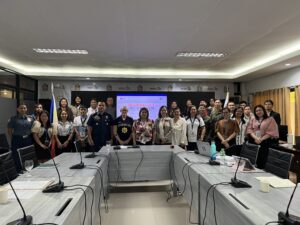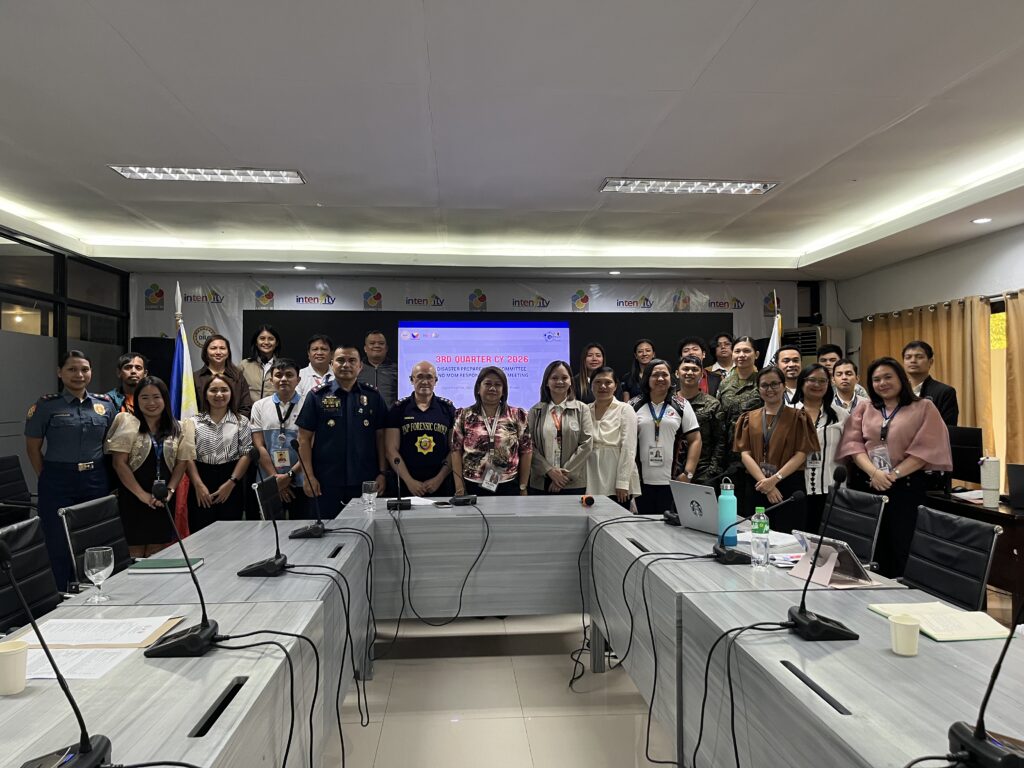
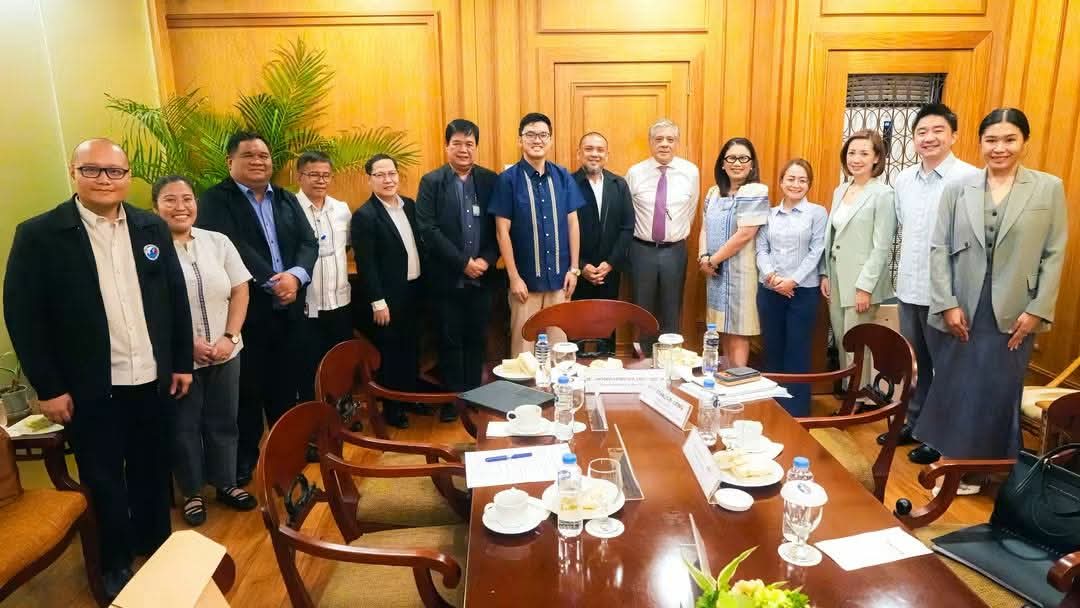
MANILA – Special Assistant to the President Anton Lagdameo led an inter-agency coordination meeting on the Sulu transition, bringing together government agencies and stakeholders to help ensure that education and health services continue without interruption as the province moves through a critical period of administrative transition.
The meeting forms part of the Marcos administration’s broader effort to make the transition seamless and people-centered, with the government working to ensure that changes in administrative structures will not come at the expense of the basic services relied upon by the people of Sulu.The effort is aligned with President Ferdinand Marcos Jr.’s directive for a smooth transition of Sulu to Region IX, with Executive Order No. 91 providing for a phased transition and the continuity of government operations and critical public services. Education and health have emerged as among the priority sectors requiring close coordination during the process.
Lagdameo said the discussions focused on the needs of students, teachers, patients and healthcare workers, including the establishment and operational requirements of the Sulu Schools Division Office, support for education and health personnel, funding requirements, hospital operations, and the proper transition of health facilities, programs and resources.
The concerns reflect issues that government agencies have been addressing throughout the Sulu transition, including the need to protect affected personnel, bridge funding and operational gaps, and keep essential services stable and accessible while administrative responsibilities are being realigned.
Lagdameo said the government recognizes that many communities in Sulu continue to face challenges in accessing quality education and essential healthcare, particularly in geographically isolated and remote areas, making close coordination among national agencies, local leaders and stakeholders crucial.
He said the government’s response must go beyond simply transferring functions from one administrative structure to another, stressing that the transition should ultimately translate into better and more responsive services for the people.The effort, he added, carries forward President Marcos’ vision of inclusive development, anchored on the belief that every Filipino – regardless of geography or circumstance – deserves access to opportunities and essential government services.For education, this means ensuring that learners can continue attending school without disruption and that teachers and other education workers receive the support needed to carry out their work. For healthcare, the priority is to keep services available and ensure that patients and communities continue to receive the care they need.
The government’s goal, Lagdameo said, is straightforward: education must continue, health services must remain accessible, and no community should be left behind.By bringing concerned agencies and stakeholders together, he said the administration is seeking to turn the transition into an opportunity to build stronger institutions, improve the delivery of basic services and create greater opportunities for the people of Sulu.
Ultimately, Lagdameo said, the success of the transition will not be measured solely by the completion of administrative arrangements but by its impact on people’s daily lives – when students can continue learning, teachers and health workers are supported, patients receive proper care, and families feel the government’s presence in their communities.